Dance Base Yokohama 1st Floor Opening Commemorative Cross-Talk | August 23, 2025
“Opening Up Dance”: The Next Steps
Shaping the Future Together with the Community: Part 2
In Part 1, we examined where each panelist currently stands and how artists’ perspectives have shifted in the wake of the COVID-19 pandemic. In Part 2, the discussion expands to include trends toward dance that transcend genre boundaries, the need for “mediators” who bridge the gap between works and audiences, and the community-based programs set to begin in the new space on the first floor.
Breaking Down Genre Barriers and Embracing Dance
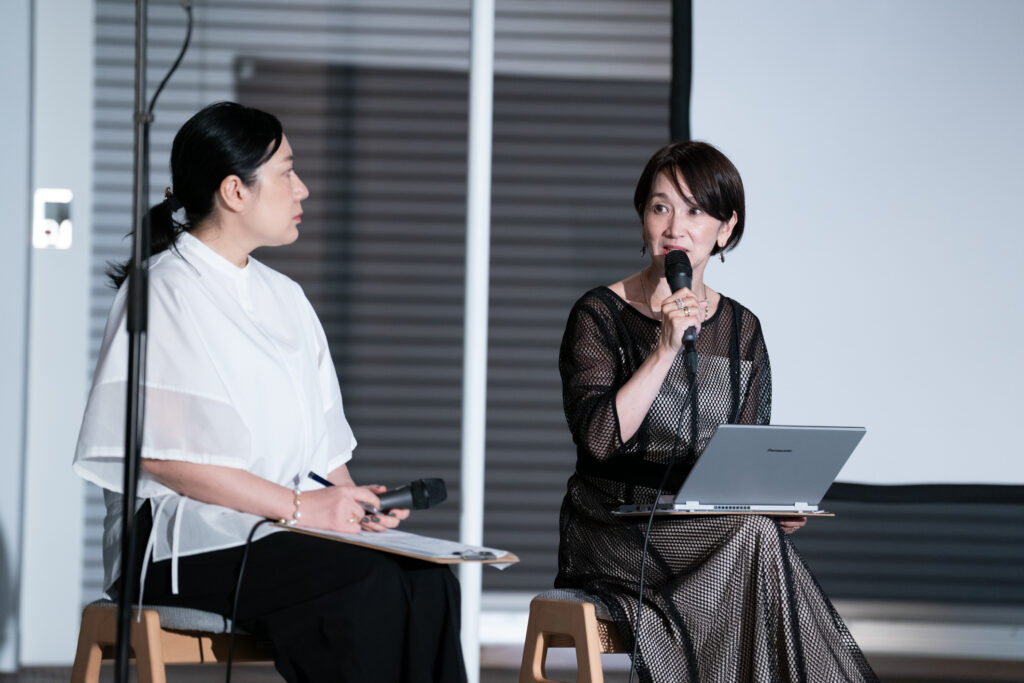
Sae Okami: I feel as though the relationship between art and society has entered yet another new phase. I understand that DaBY and Mr. Kuno’s foundation provide grants to genres other than dance as well—in what kinds of settings do you experience the relationship between dance and society firsthand?
All photos on this page © Hajime Kato
Eri Karatsu: When we first set out to create this space, we decided to use the term “Dance House,” but the word “dance” encompasses a vast range of meanings. Dance does not refer merely to physical expression in the narrow sense.Dance is a highly comprehensive art form—it always involves music and also has aspects of spatial art. With this in mind, I strongly felt that I wanted people from fields that had previously been somewhat distant from dance—including musicians, architects, and visual artists—to step more deeply into the world of dance. That’s why I want to reach out to people from as many different fields as possible.For example, Takashi Sugawa, who is speaking here today, developed an interest in dance through our various collaborations. He has told me, “I’d like to try doing something with dance,” and has even come to see our performances. When I actually reach out to people, I realize that far more people than I imagined are interested in dance as a medium.
In Japan, there’s a tendency for the arts to be compartmentalized by genre, with each field remaining somewhat insular. This is particularly true in arts education: art universities tend to focus on visual arts and music, and the performing arts aren’t widely recognized. Even in arts education at the elementary and junior high school levels, opportunities to experience theater and dance are far from abundant.
Precisely because of this situation, I believe it is important to first let people know that “this form of expression exists.”And once people become aware of them, those who are interested will gradually come together and begin to engage. The same can be said for other fields, such as architecture, fine arts, and even fashion. I want to create an environment where people from various fields can naturally interact, giving rise to new encounters and collaborations within society. To that end, I aim to make the entrance as wide as possible and foster an open, welcoming space.
Oko Arai: That dynamic has been shifting recently, hasn’t it? In the past, when we proposed collaborating with dance, we would deliberately set ambitious goals and work toward them. But now, dance is naturally incorporated into musical collaborations, and young artists are approaching these projects with a more open mindset.
Art Beyond Inclusivity
Atsuko Kuno There are talented people in all kinds of genres. One such person is Eri Makihara, a multifaceted artist who uses film and theater to explore the sensibilities of a “world without sound” and the physicality of deaf people, posing questions to society.For me personally, her work has provided an opportunity to learn about a world of art I could never have imagined. I believe such encounters go beyond mere inclusivity and hold the potential to create new artistic forms and shared spaces. I think things would become even more interesting if we had more venues to present such works and more opportunities to experience them.
Eri Karatsu: I believe it was about three years ago that, as part of a project called “The Lab for Considering Dance Accessibility,” we carried out a project inviting people with visual impairments to experience contemporary dance. That experience left a profound impression on me. It was an experience of “seeing even though I cannot see.”Sens ing the presence of the dancers, perceiving vibrations transmitted through the floor, and imagining the space through sound. And the narrator supporting that experience must consider what words to use to convey what is happening right before their eyes. Through that process, I was once again confronted with the fundamental question: “What is dance?”At the same time, I was confronted with the fundamental challenge of how to convey, share, and communicate art with others. For me, it was not only an accessibility initiative but also an opportunity to rethink the nature of art itself.
Although this project was carried out experimentally just once, I had hoped to continue it on an ongoing basis if possible. However, since we ourselves did not possess sufficient expertise or know-how, it was not easy to develop it into a sustainable initiative.That is precisely why I still consider it a challenge to determine how to make accessibility and inclusive initiatives sustainable, and how to collaborate with experts in the field. It’s not just about expanding opportunities for participation; it’s about how to share the essential experience of art itself. I intend to continue reflecting on these questions while keeping this perspective in mind.
The Person Who Bridges the “Gap” Between the Work and the Audience
Sae Okami Listening to everyone’s stories, I truly felt that many initiatives have sprouted and grown over the past few years. At the same time, I wondered if we need more opportunities to “engage” people—or, to put it another way, to raise awareness among a wider audience.Another point: I think roles that “bridge the gap”—neither creators nor pure spectators—such as “artwork guides” at museums or “art communicators,” are becoming quite popular.
Especially with non-verbal art forms like dance and music, while audiences are free to interpret the work as they wish—and there are no set standards for what is “right” or “wrong”—they often struggle with whether it’s appropriate to share their personal interpretations. I believe that having someone who bridges the gap between the artist and the audience—and who also possesses knowledge about the artist—could help these works reach a wider audience.In France, efforts to train “art mediators” have been ongoing since around the 2000s. I’d like to hear your thoughts on this role of connecting art and the audience.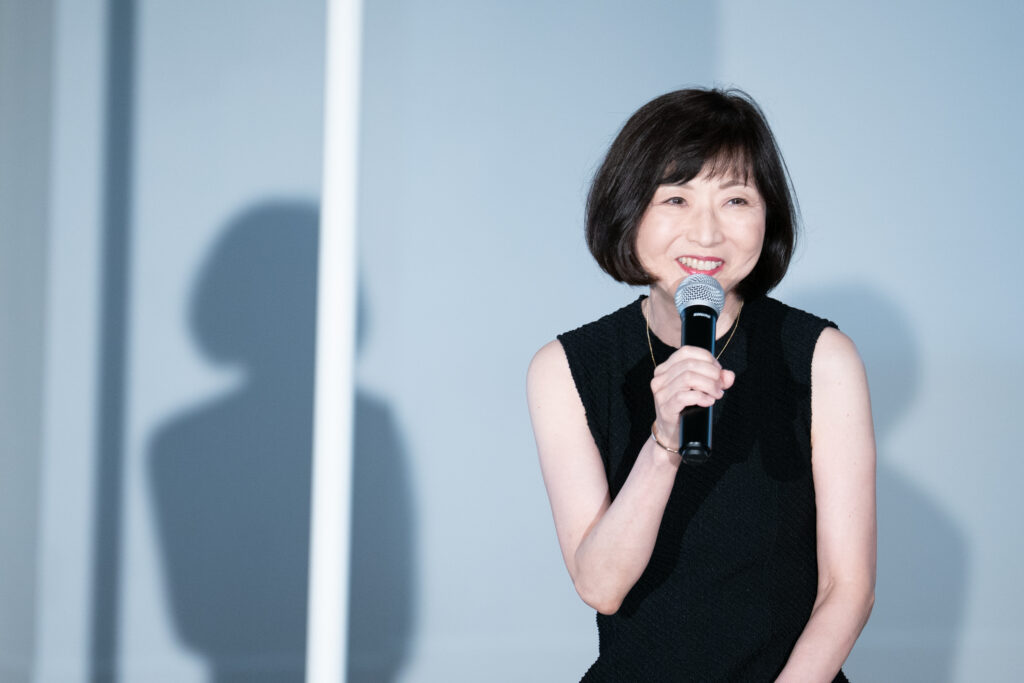
Oko Arai —I truly believe she is an art communicator. In the art world today, interactive art appreciation is gaining popularity; this involves gathering around a single artwork and, even without prior knowledge, delving into the essence of the work through dialogue.I wondered if this approach could be applied to music as well. In my “Disability and the Arts” course at the Tokyo University of the Arts, I’ve organized sessions where we view paintings and discuss them with people who are visually impaired, and we’ve developed methods for describing music to people who are hearing-impaired using senses other than hearing.
In such situations, it’s crucial to have people who not only provide explanations about the artwork but also understand the characteristics of disabilities and possess the skills to connect people. I believe we will increasingly need communicators and facilitators who are knowledgeable about both music and disabilities—and who can think about how to apply what they’ve learned in society. I think it would be ideal to establish this as a profession rather than relying solely on volunteers.
Eri Karatsu: When we launched Dance Base Yokohama, we believed it was necessary to nurture not only dancers and choreographers but also a wide range of professionals involved in the dance field.This includes not only creative staff, technical personnel, and management staff, but also those who take on educational or coordinating roles, as we’ve been discussing. However, in reality, it is not easy to establish an environment in Japan where such roles can be clearly divided and specialized. For example, I myself served as the producer of the dance department at the Aichi Prefectural Art Theater for over 30 years, working almost entirely on my own.I think this is similar to the role of a curator at an art museum: I’m responsible not only for planning projects but also for production and operations; at times, I engage in dialogue with the audience; and I even handle public relations and write program notes. Precisely because we operate with limited staff, the reality is that a diverse range of skills is required.
On the other hand, this also places a very heavy burden on the individual.Ideally, we should have an environment where each person can work while making the most of their individual talents and expertise. For this reason, at Dance Base Yokohama, we have been committed to staff development and have actively sought to engage the younger generation interested in dance. However, as our activities have expanded, the range of required roles has grown, and the skills needed have become more diverse.Communicators have become particularly sought after recently; in this field, individuals are expected to possess an understanding of dance history and context, as well as the communication skills necessary to connect people. How to develop such talent is one of our major challenges. If you are interested in this field and would like to take on this challenge, Dance Base Yokohama would be delighted to welcome you.
Furthermore, Dance Base Yokohama has included the role of dramaturg since its inception. I believe this was a rather rare initiative in Japan at the time. A dramaturg stands between the artist and the audience, playing an active role in the creative process. While closely supporting the creation of a work, they also maintain an external perspective and the audience’s viewpoint.One could say that they support artists’ creative freedom while simultaneously serving as a bridge between the work and society. We hope that this role will become more widespread in Japan, and that as people from diverse backgrounds become involved in the creative process, the performing arts environment will become even richer.
Atsuko Kuno: I truly think it would be wonderful if people like that were active in the community. Since this approach is gaining traction at art museums, I’m hopeful that talent development will gradually become a reality. The Yokohama Museum of Art was one of the first to establish a department dedicated to such activities, and they’ve been creating and running communication programs with local residents and children.
Another point is that, in addition to public relations and promotion—and given the feedback that dance performances aren’t often visible—I believe “word of mouth” that conveys just how interesting the experience was is actually the most powerful tool. Including social media, the words of those who have seen a performance still have a significant impact on moving others. It would be wonderful if we could work together to cultivate a loyal audience.
A place where dance becomes a natural part of everyday life
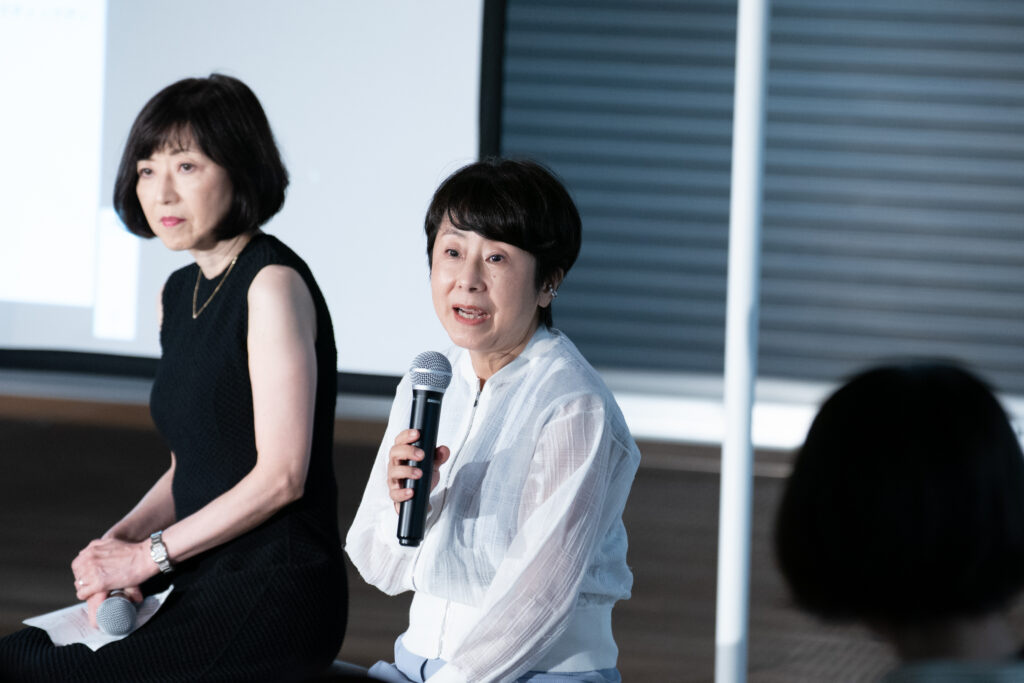
Sae Okami: We ’ve come full circle and returned to Yokohama. Yokohama has many venues for art, music, and dance, as well as festivals, so I get the impression that it’s a city closely tied to dance—that dance is one of the city’s defining characteristics. Will this first floor become a “place where dance is always happening”?
Eri Karatsu: We plan to operate the new space on the first floor as a venue for experimental initiatives for the time being. We’ll be launching several programs as early as next week, and all of them are open workshops that anyone can participate in.For example, Teita Iwabuchi, who just performed at the opening, will be leading a program called “Yurujawa Exercises,” which is open to everyone.
Also, given the characteristics of this area—with many offices nearby and Yokohama City Hall close by—there are numerous office workers in the vicinity.Furthermore, this space is also shared with the design firm celldivision. For this reason, I believe it has the potential to serve as a testing ground for creating new relationships while coexisting with people who have had no prior exposure to dance or art. For example, how might people who spend their days working at computers interact with dancers and artists in this space?Or, what kinds of things do the artists themselves find interesting, and what would they like to try? Through ongoing dialogue like this, we hope to experiment with various initiatives.
Additionally, we plan to have Naoyuki Sakai lead the “Dance Well” program for people with Parkinson’s disease. Previously, we used the studio on the third floor, which posed a challenge due to the difficulty of getting there for some participants.However, with the space on the first floor, it will be easier for wheelchair users to participate. We believe this will open up new possibilities in terms of accessibility as well.
I hope that through this space, people who would not have otherwise met will connect, and a diverse range of activities will emerge. To that end, we’re not only organizing programs ourselves but are also widely soliciting new ideas and proposals.
Sae Okami: Is it okay to just drop by for the programs held here?
Eri Karatsu: That’s right. Since we also have an office, there may be some restrictions on which areas are accessible and during what hours, but basically, these are open programs, so please check our website and feel free to just drop by.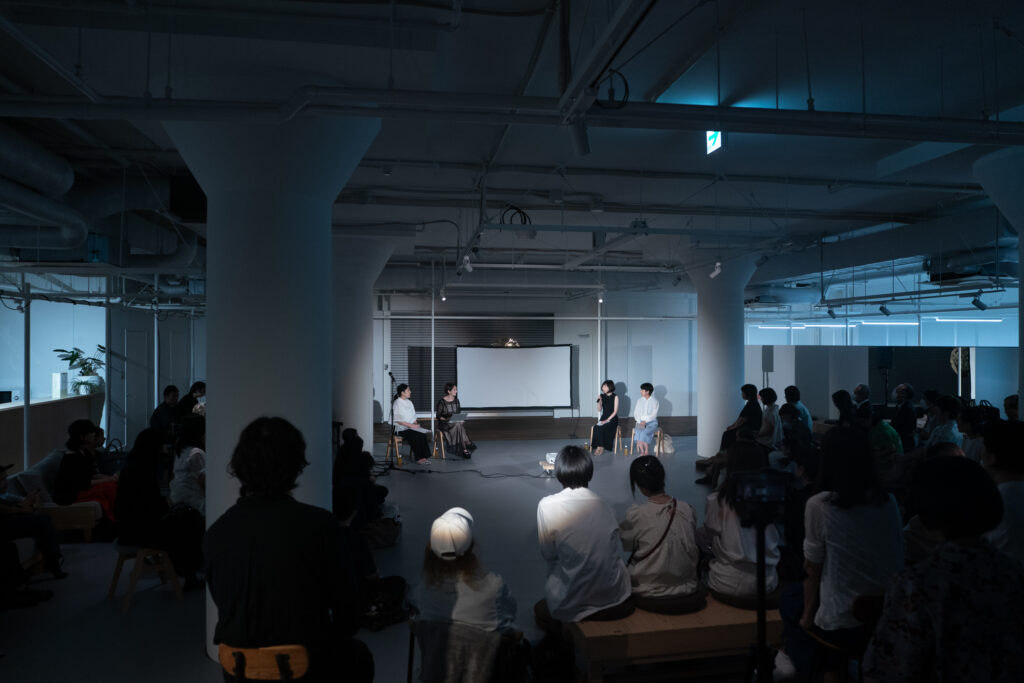
The Socialization of Dance, and Beyond
Sae Okami I think this is a new initiative that really feels like it could integrate dance into everyday life, and I’m very excited about this program. I have a feeling it will become a space where people from all walks of life can engage with dance in various ways, gain insights, and find inspiration. I hope that this will grow and lead to the creation of new forms of dance and shape the future. Finally, I’d like to ask everyone to share a few words.
Oko Arai: Thank you very much for today. Earlier, there was a discussion about dance for people with Parkinson’s disease, and I believe we must work to make the disease a part of society. The socialization of music, the socialization of dance, the socialization of the disease—opening up all these things to the outside world—I think dance and music might serve as the bridge in that process.
Atsuko Kuno: Hearing you speak about how you’re concretely envisioning and implementing this as a place where various possibilities are born has given me a deep sense of conviction. At the same time, I believe that discussions about how to improve quality and create a larger platform are fundamentally important—not only in terms of fostering connections but also in ensuring those connections are sustained—so I hope we can discuss this further on another occasion.
Eri Karatsu: To wrap up, I’d like to share a brief personal anecdote. When I was in college, I used to frequent “Studio 200,” a studio and black-box theater in Ikebukuro where Mr. Kuno worked before joining the Saison Foundation.It was a place where I could encounter experimental dance and performing arts, and looking back, I believe it was one of the origins that shaped my own perspective on the performing arts. Although I’ve known Mr. Kuno for a long time, this was actually the first time we’ve had the opportunity to sit down and talk at length in the same place. I feel very grateful to have been given this precious opportunity.
One of the things that brought me together with Mr. Arai was when Dance Base Yokohama received the Mécénat Grand Prize from the Corporate Mécénat Council in 2023. Receiving such a major award just three years after our founding—at a time when the future of Dance Base Yokohama was still uncertain—was a huge source of encouragement.While serving as the director of a public theater, Mr. Arai is also actively involved in inclusive initiatives at the university level, and I personally have so much to learn from him. I very much hope he will continue to share his insights with me in the future.
I have been collaborating with Mr. Okami in the field of dance research since my student days, and he has been supporting my work for many years.It was because of this connection that I asked her to speak at this event.
Actually, this was my first time speaking with everyone in a setting like today’s, but personally, I’d long wanted to create a space like this with women who are active in this field. In that sense, I’m truly grateful that everyone I invited was able to participate and that we were able to have this opportunity.
Although it was a brief session, I would like to express my heartfelt gratitude to all the speakers and everyone in the audience who took the time to listen. What we discussed today is just the beginning. I believe this was merely a glimpse into Dance Base Yokohama and some of the ideas we’re exploring. I would be delighted if you could continue to share your various opinions and feedback with us. Thank you very much for joining us today.
Sae Ok ami—Thank you very much.
〈End〉 This report is a record of the CrossTalk event held on August 23, 2025.